PRINCE GEORGE’S COUNTY, Md. — For Martha Moore, driving is a necessary part of daily life. Moore, an Air Force public affairs specialist originally from Texas, relies on her sedan to travel throughout the Washington metropolitan area. Every trip, however, comes with a cost that extends beyond the number displayed at the pump.
“On average I spend $40-plus to fill my sedan up,” Moore said.
While fuel prices affect drivers nationwide, Moore has noticed a significant difference between what she pays in Maryland and what her family pays in Texas.
“Seeing the prices my parents pay back home to what I pay now, it’s a big difference,” Moore said.
Information from AAA’s fuel-price tracker shows how prices can vary significantly between states and communities. The U.S. Energy Information Administration also tracks weekly changes in gasoline prices throughout the country, demonstrating how drivers may face different costs depending on their region.
For Moore, the issue is not limited to a single expensive visit to the gas station. The frequency with which she must refuel has forced her to reconsider how she manages her other expenses.
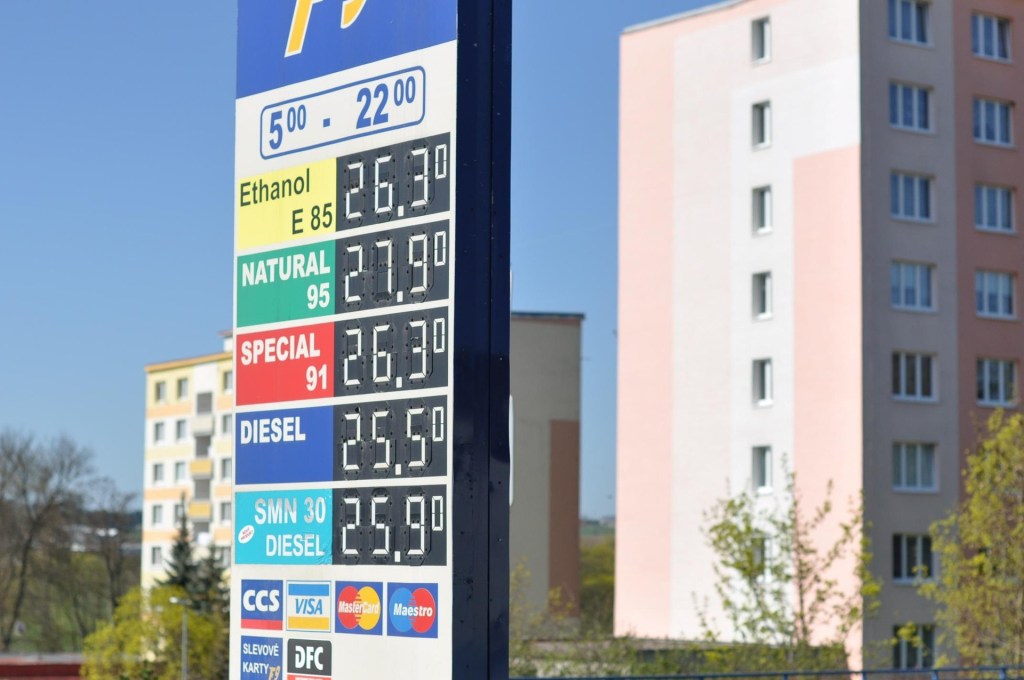
“Higher gas prices have forced me to change my budget because of how frequently I have to fill my car up,” Moore said.
Moore’s experience represents a larger financial challenge facing drivers in Prince George’s County. Transportation is an essential expense for residents who commute to work, transport their children or complete everyday errands. When gasoline becomes more expensive, families may have less money available for groceries, entertainment and other household needs.
Rashad, an employee at a Prince George’s County gas station, has witnessed how customers respond to prices at the pump. He said some drivers leave without purchasing fuel because they believe they may find a better price elsewhere.
“Customers [are] complaining about the prices and avoiding our gas station in hopes of finding a cheaper one en route,” Rashad said.
Other customers cannot afford to fill their tanks completely. Instead, they purchase only enough gasoline to continue their immediate trips.
“They’d rather put in $5, $10 or enough to get to their location,” Rashad said.
The Bureau of Labor Statistics includes gasoline within its Consumer Price Index and tracks changes in what consumers pay for motor fuel. Those changes can directly affect people such as Moore, who depend on their vehicles and cannot easily eliminate transportation expenses from their budgets.
At the pump, the larger economic discussion surrounding fuel prices becomes personal. For some drivers, the difference of a few cents per gallon may appear small. For Moore and the customers Rashad encounters, those increases accumulate with every commute and every necessary trip.
Their experiences demonstrate that the price displayed outside a gas station represents more than the cost of fuel. It can determine how much people drive, how completely they fill their tanks and what other expenses they must reduce to keep moving.


Leave a Reply