
By JaDarius Duncan
The U.S. Army cannot win tomorrow’s recruiting battles using yesterday’s communication strategy.
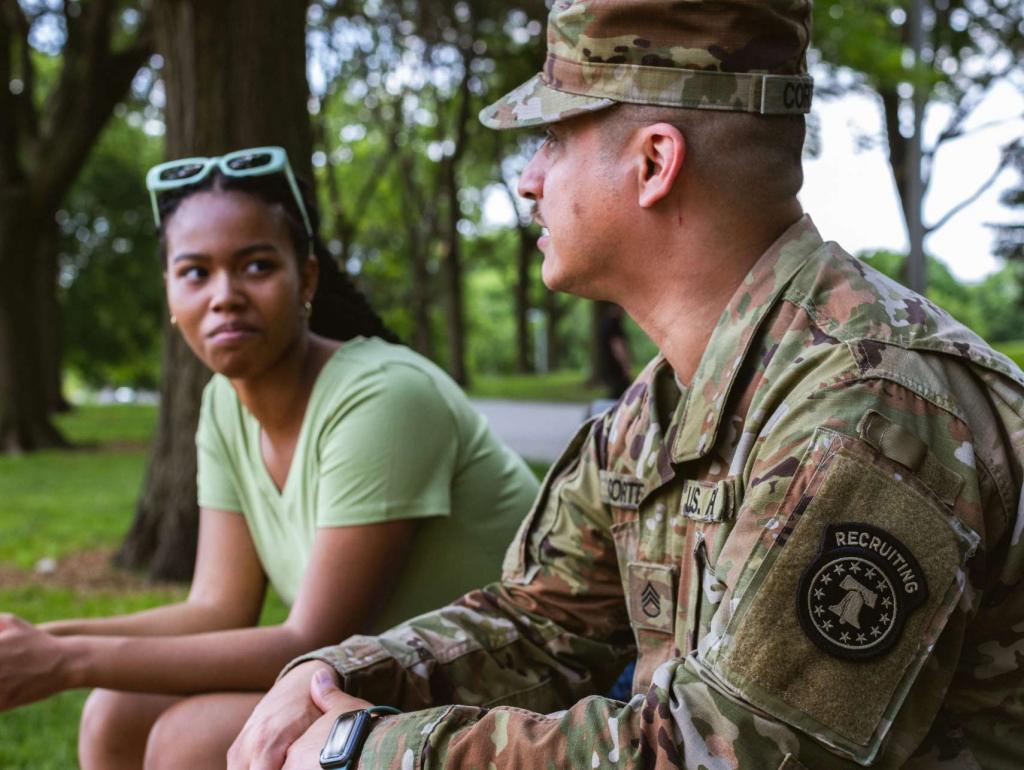
As enlistment numbers fluctuate and public trust in institutions shifts, the Army faces a recruiting environment unlike any in its history. Gen Z consumes information primarily through short-form video, peer recommendations and social media platforms — not traditional advertising. To remain competitive in a crowded attention economy, the Army must prioritize authentic digital storytelling as a core recruiting strategy.
Recruiting shortfalls are not theoretical. The Army fell roughly 10,000 recruits short of its fiscal year 2022 goal, according to reporting by the Army Times (https://www.armytimes.com/news/your-army/2022/10/14/army-misses-recruiting-goal-by-10000-soldiers/). Although adjustments have since been made, the long-term trend signals a structural communication gap rather than a temporary dip.
At the same time, Gen Z’s media habits are clear. According to the Pew Research Center (https://www.pewresearch.org/internet/2022/08/10/teens-social-media-and-technology-2022/), 95% of teens report using YouTube, while TikTok and Instagram rank among the most frequently used platforms. If the Army’s primary audience gathers information through digital creators and short-form video, then recruiting strategies must meet them where they are.
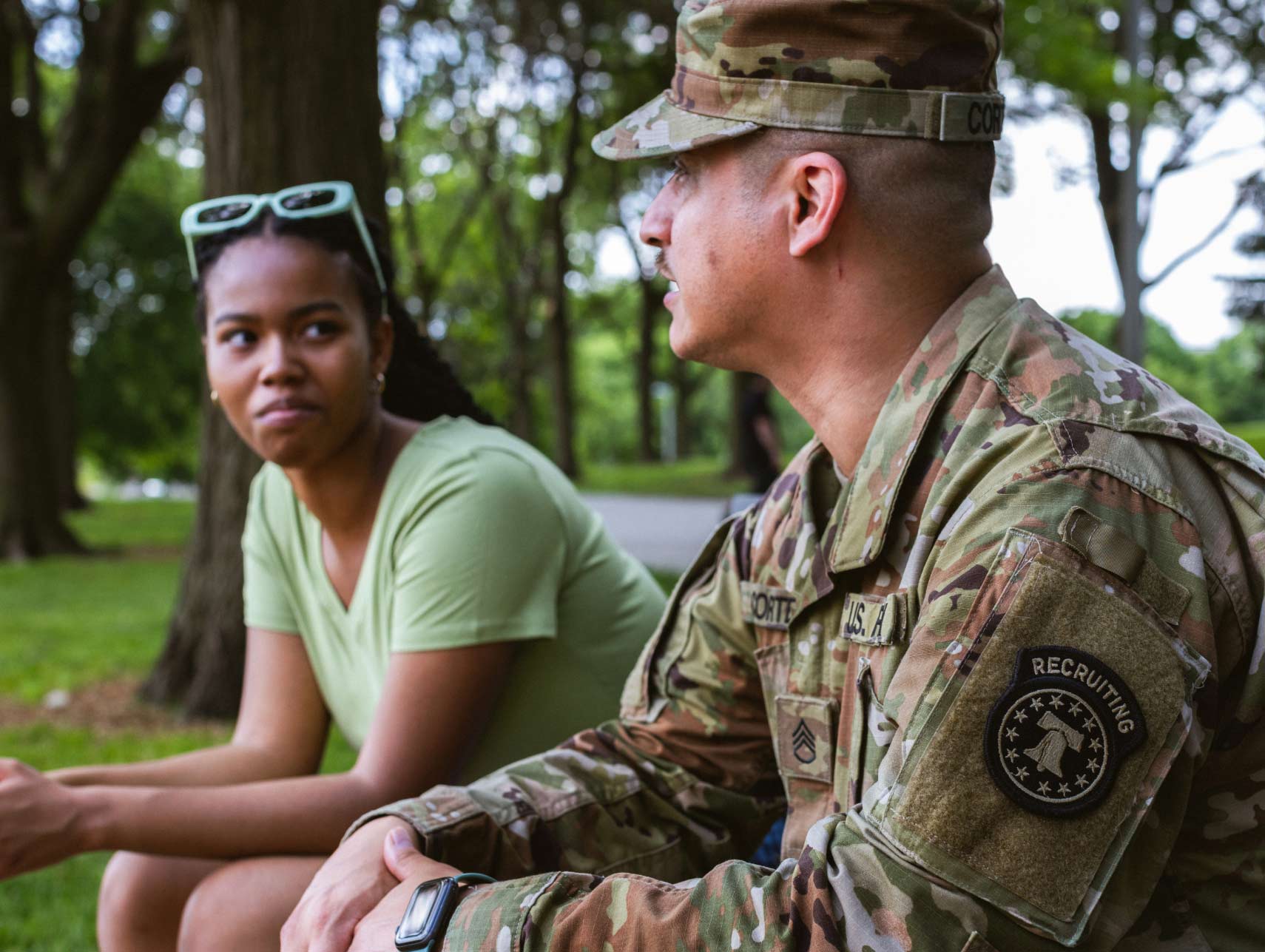
Research from the Edelman Trust Barometer (https://www.edelman.com/trust/2023/trust-barometer) further reinforces this shift, finding that people trust “people like themselves” more than traditional authority figures. Authentic, behind-the-scenes storytelling from real Soldiers can bridge the gap between perception and reality, demystifying military service and providing transparency about career paths, benefits and challenges.
Critics argue that social media recruiting risks oversimplifying service or prioritizing popularity over professionalism. Others point to policy restrictions and operational security concerns. These concerns are valid; however, they are not reasons to avoid modernization. They are reasons to develop clear guidelines, training and oversight. Strategic digital engagement, when aligned with Army values and regulations, strengthens credibility rather than undermines it.
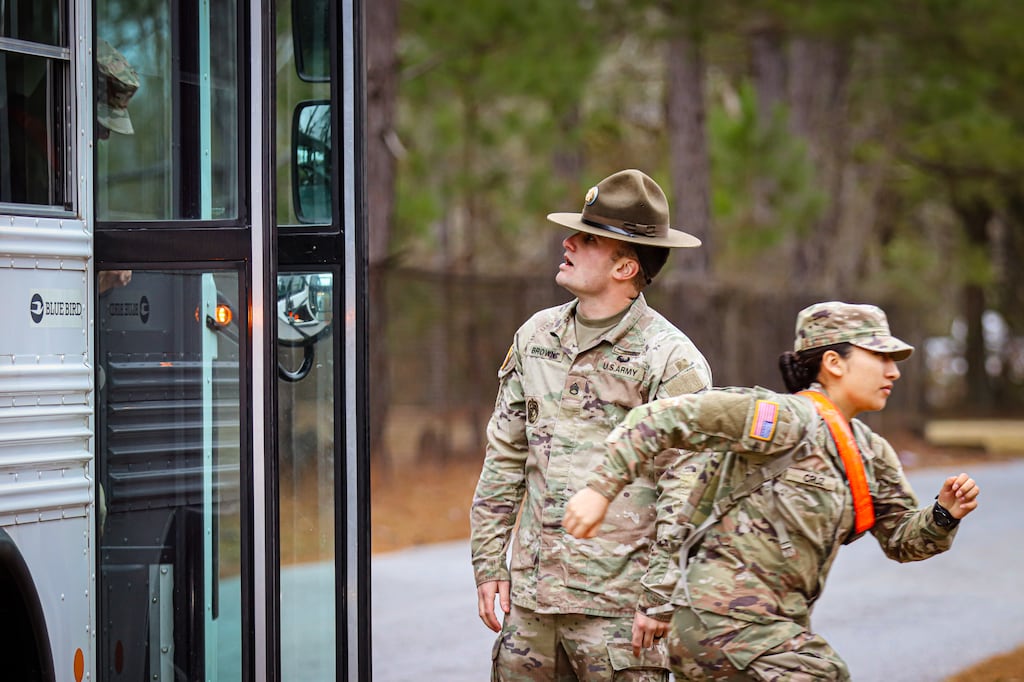
The solution is not more ads. It is more authenticity.
The Army should invest in structured digital training for recruiters, expand collaboration with Public Affairs professionals and empower Soldiers to share responsible, policy-compliant content about their experiences. By leveraging data-driven storytelling and platform-specific strategies, recruiting efforts can evolve from transactional messaging to relationship-based communication.
The future force will not be built solely through brochures and career fairs. It will be built through visibility, transparency and trust earned one story at a time.
 jadariusduncan.blog
Leave a comment