By JaDarius Duncan
Suicide remains one of the most pressing internal challenges facing the U.S. military. In recent years, deaths by suicide have at times exceeded combat-related fatalities, prompting renewed scrutiny from military leaders and lawmakers. The Army has responded by expanding prevention programs, increasing behavioral health staffing and implementing reforms aimed at reducing stigma and improving early intervention.
The Army’s suicide prevention strategy combines data analysis, leadership accountability and confidential support services. Understanding how these programs function provides insight into how the military is working to address a complex and persistent issue.
Data Driving the Army’s Prevention Strategy
The Department of Defense releases an annual report examining suicide rates across all service branches. According to the Department of Defense’s 2023 Annual Report on Suicide in the Military, officials continue to analyze trends to improve prevention strategies.
The full report, published by the Defense Suicide Prevention Office, outlines demographic trends, risk factors and recommendations for intervention. The report emphasizes the importance of early identification of behavioral health concerns and reducing barriers to care.
In addition, recommendations from the Suicide Prevention and Response Independent Review Committee called for improvements in quality of life, access to care and command climate accountability.
Leadership Training and the ACE Model
Prevention efforts extend beyond data collection. The Army mandates annual suicide prevention training for Soldiers and leaders. One widely used framework is the ACE model — Ask, Care, Escort — which encourages service members to directly ask about suicidal thoughts, express care and escort individuals to professional support.
The official Army Suicide Prevention Program outlines command responsibilities, including creating climates where seeking help does not negatively affect career progression.
Training initiatives also include Applied Suicide Intervention Skills Training, or ASIST, which equips participants to recognize warning signs and safely intervene.
Expanding Confidential and Crisis Support Resources
Beyond command-directed initiatives, the Army provides multiple confidential pathways for Soldiers and families seeking support.
Service members can access non-medical counseling through Military OneSource, which offers free and confidential sessions. Behavioral Health clinics and Embedded Behavioral Health teams provide on-installation care, while chaplains offer confidential counseling protected by privilege.
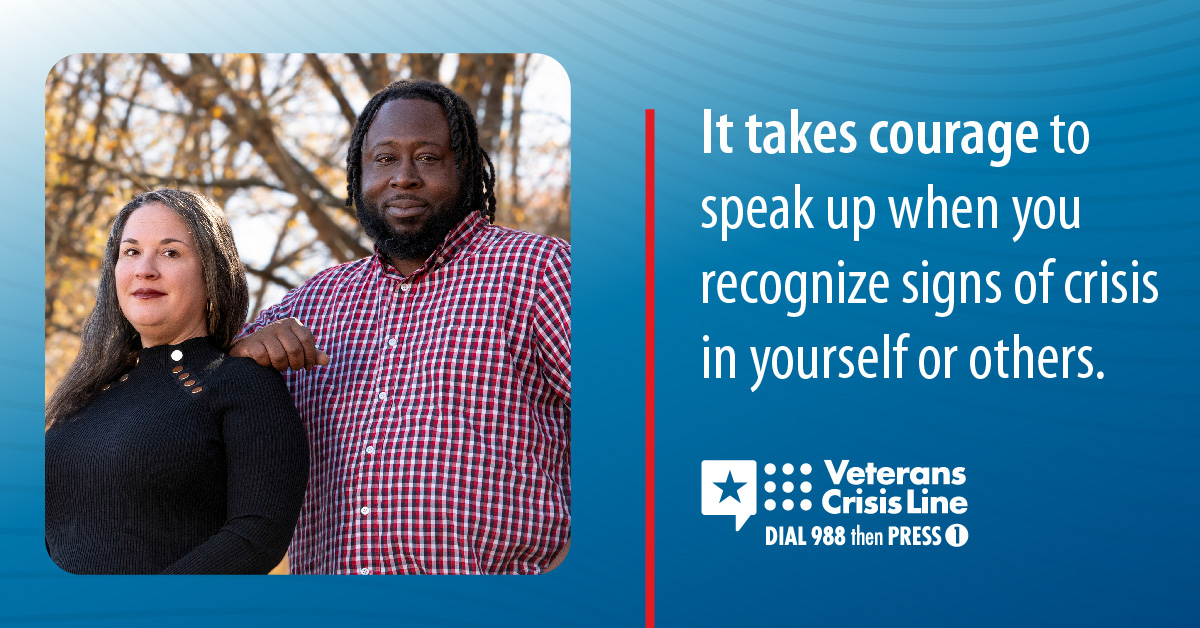
In 2022, the United States launched the 988 Suicide and Crisis Lifeline. Service members and veterans can dial 988 and press 1 to reach the Veterans Crisis Line, which connects callers to trained responders familiar with military culture.
These expanded resources are designed to ensure that Soldiers can seek help both within and outside their chain of command.
Where to Learn More
The Army continues to refine its suicide prevention programs through policy reform, leadership training and expanded behavioral health access. Additional information about Army initiatives is available through the Army Suicide Prevention Program website and the Defense Suicide Prevention Office.
For immediate crisis support in the United States, individuals can call or text 988. Service members and veterans can press 1 after dialing 988 or text 838255 to reach the Veterans Crisis Line.
Sustained prevention efforts, leadership engagement and accessible care remain central to the Army’s ongoing strategy to address suicide across the force.
 JaDarius Duncan's Blog
Leave a comment